Reliable warmth for every season
Furnaces for reliable home comfort
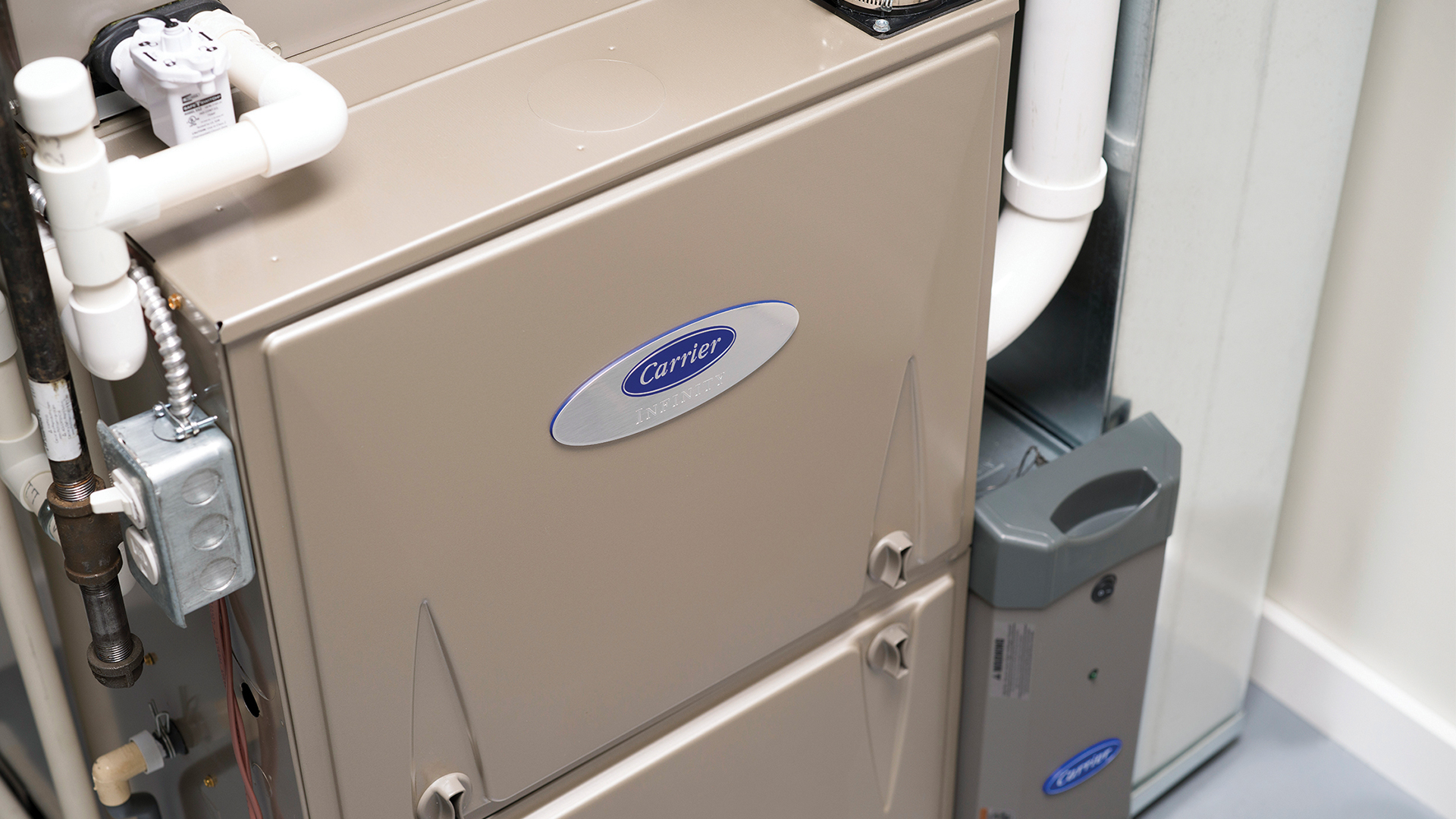
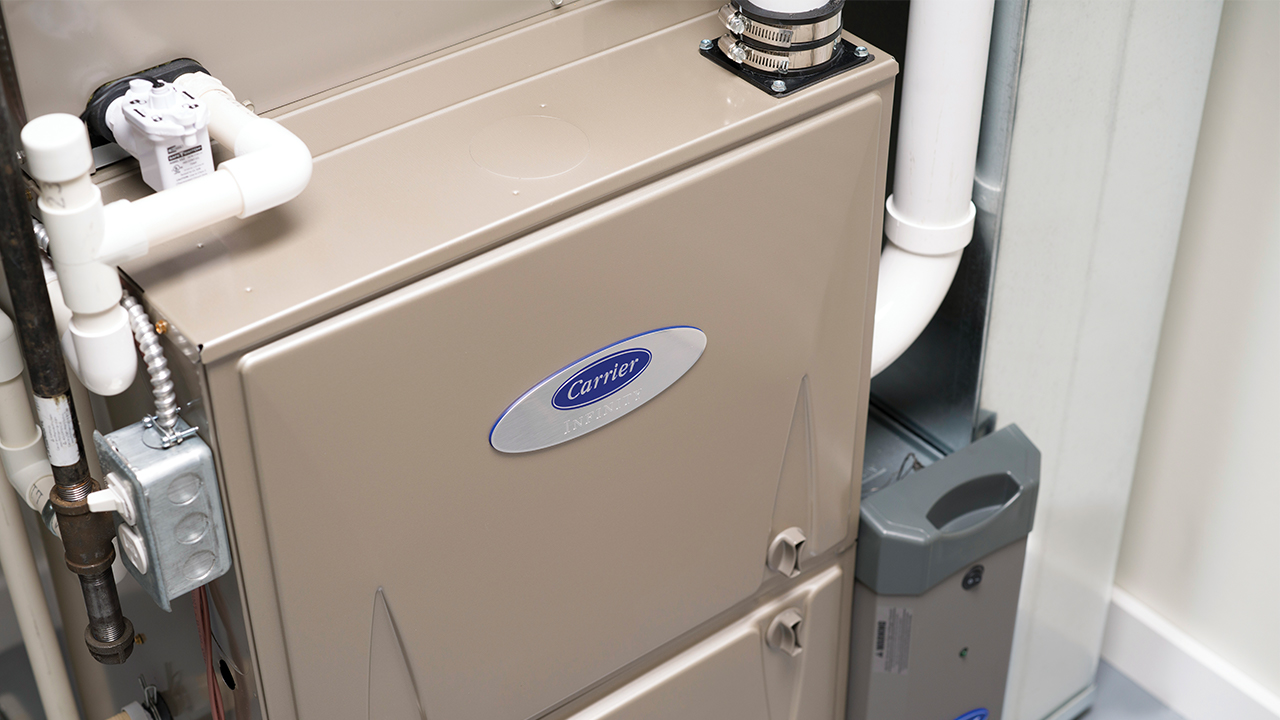
Carrier gas furnaces are the centerpiece of your home’s comfort system. Designed for dependable performance, these residential furnaces deliver consistent, quiet heating during colder months and circulate refreshing, clean air from your cooling system in the summer. With a range of energy-efficient options —including high-efficiency, modulating and 2-stage furnaces, Carrier aims to provide maximum comfort while helping minimize heating costs. Whether you're exploring natural gas furnaces or advanced solutions like an Infinity® furnace, we’ve got you covered.
Furnaces
Compare Product Lines
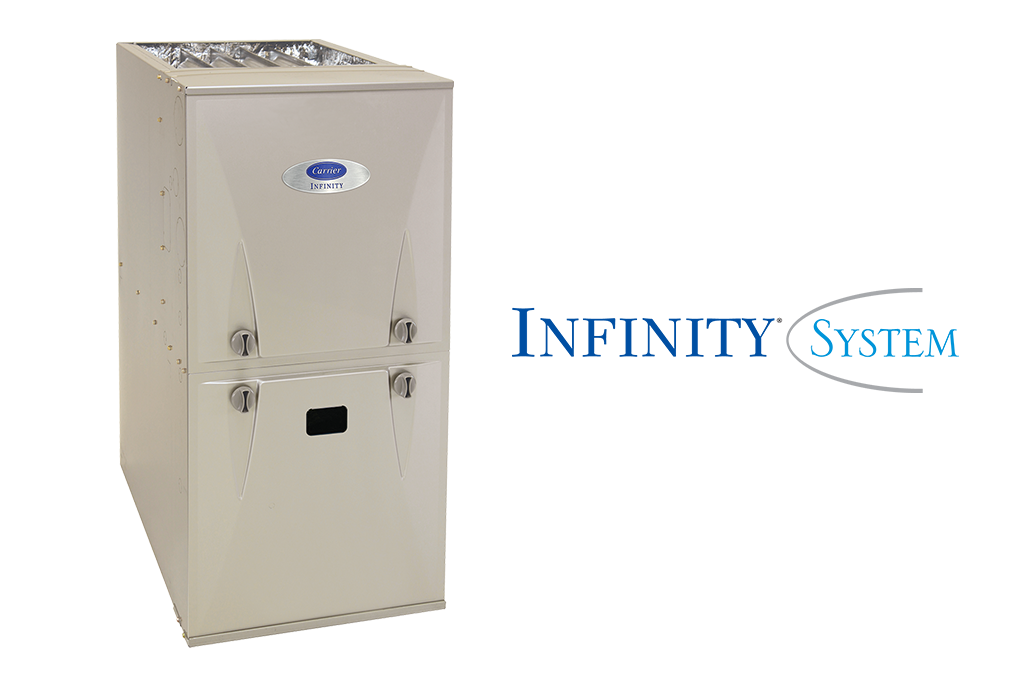
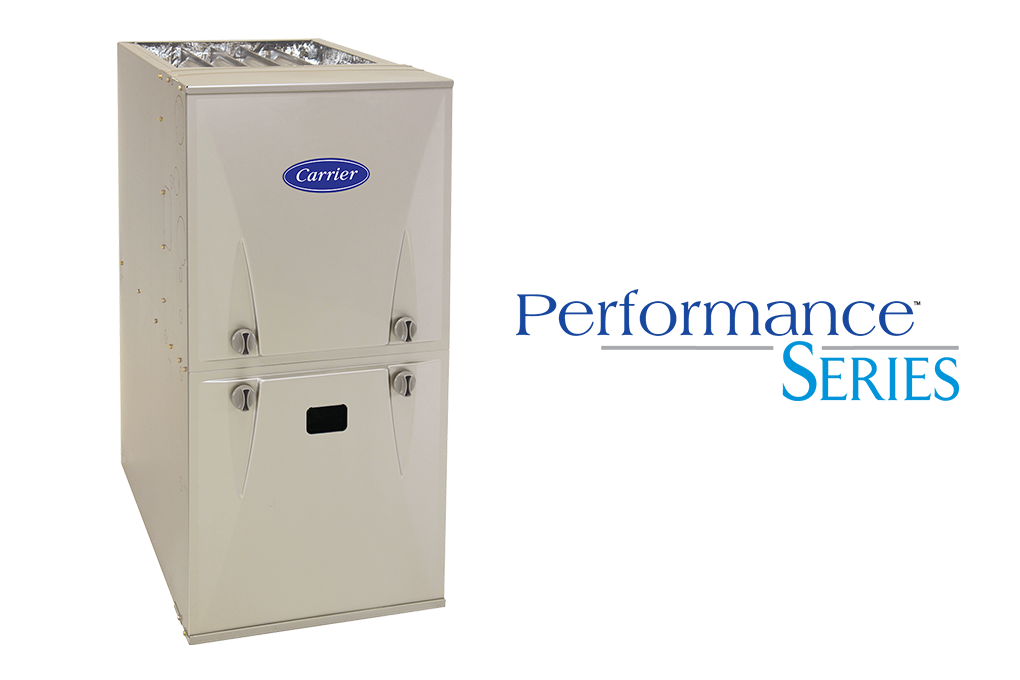
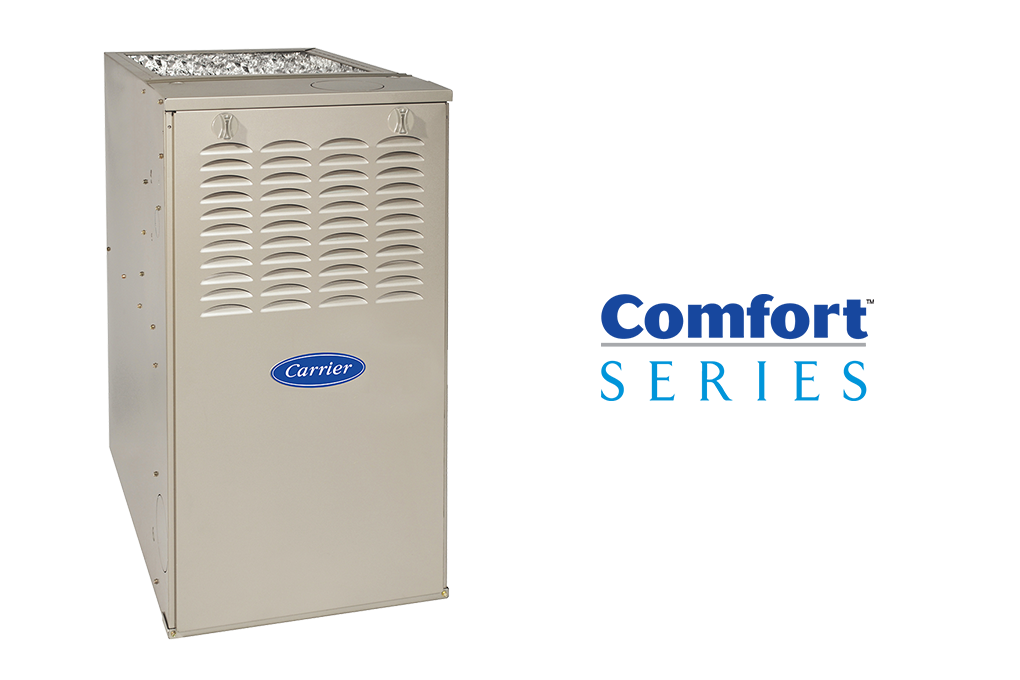
What to look for in a furnace
Choosing the right furnace for your home means finding the right balance of comfort, control, and cost—and we offer options to fit every need. A single-stage furnace delivers straightforward performance with simple on/off operation. For greater efficiency and more consistent temperatures, a two-stage furnace adjusts between high and low heat settings based on your home’s needs. If you’re looking for top-tier comfort and precision, our modulating furnaces offer advanced climate control with gradual, automatic adjustments to keep your home consistently cozy.
Say goodbye to dry, uncomfortable air. Select Carrier furnaces feature humidity control technology that helps ensure air retains the right level of moisture. Pairing an Infinity furnace with a variable-speed air conditioner or heat pump can provide advanced humidity control during the summer. Adding a Carrier humidifier to your furnace can help reduce dryness during the cold winter months.
Enjoy a more peaceful home with Carrier’s quiet furnaces. Designed with advanced sound-reduction features, modulating and two-stage furnaces operate quietly in the background compared to models with single-stage heating. Models with fully insulated cabinets can further reduce noise levels. Relax, entertain, or simply enjoy a cozy ambiance without any disruptions.
Carrier’s high-efficiency furnaces are designed with your wallet and the environment in mind. Home furnaces are rated by their Annual Fuel Utilization Efficiency (AFUE). The AFUE rating of a furnace is much like miles per gallon (MPG) for a car: the higher the AFUE rating, the more energy-efficient the system. Look for models with the ENERGY STAR® certification to help reduce heating costs while delivering maximum performance, making them a practical investment for any homeowner.
Learn more about furnaces

Why Carrier
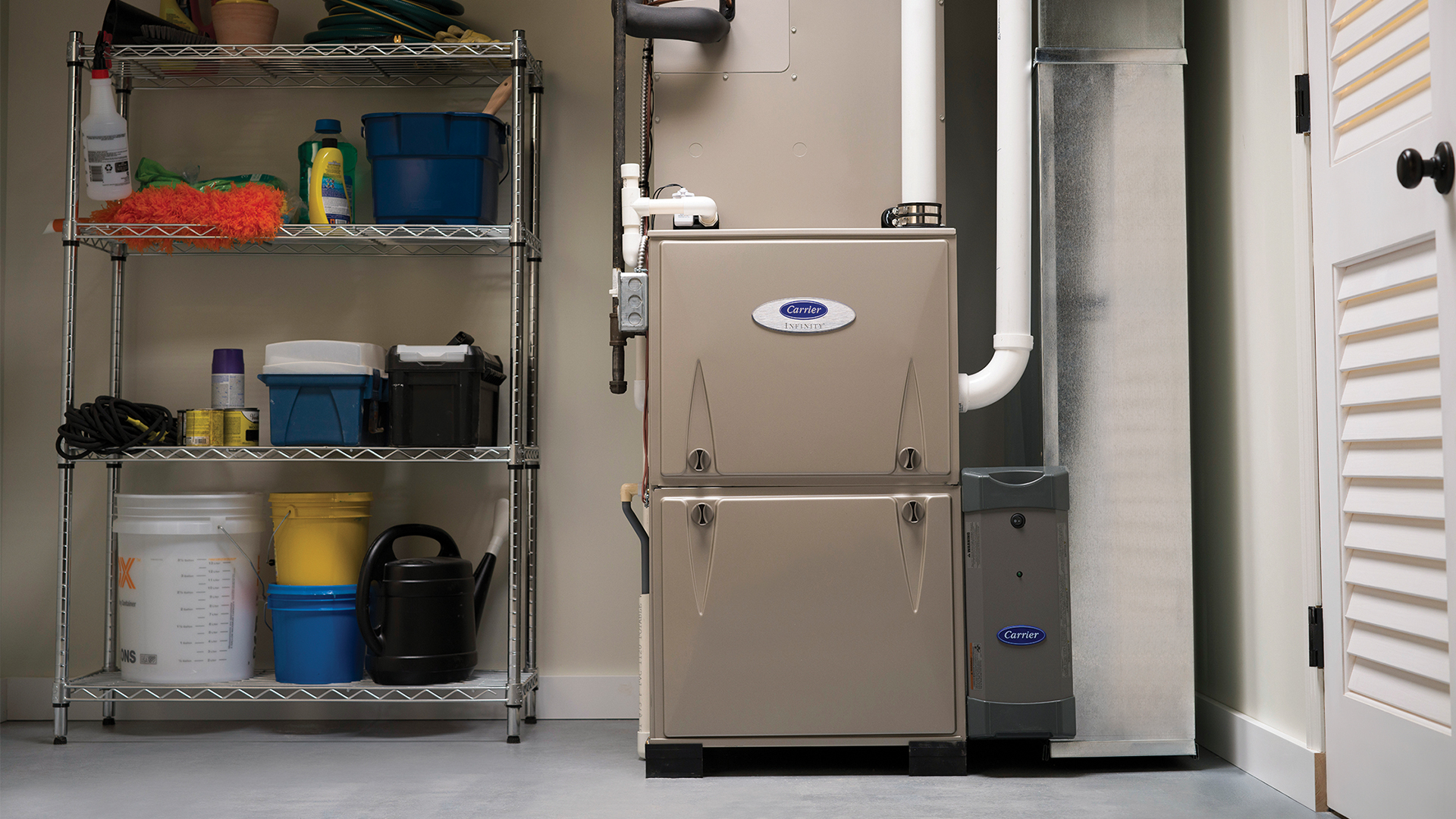
For over a century, Carrier has been a leader in HVAC innovation, building a legacy of quality and reliability. Our focus on premium, high-performance furnaces ensures you receive a solution that delivers consistent comfort and efficiency. With an established network of trusted dealers, we provide expert installation and service you can count on for years to come.
Frequently asked questions about furnaces
A furnace is a heating system that generates and distributes warm air throughout a home or building, ensuring a comfortable indoor environment during cold weather. It operates by burning fuel, such as natural gas or propane, to produce heat, which is then circulated via a blower through ductwork and vents.
Choosing the right furnace is a significant decision for your home's comfort and efficiency. The "best" type depends on several key factors, including fuel availability in your area, your local climate, the balance between upfront installation costs and long-term operating costs, and your personal energy efficiency goals. Understanding the different fuel types is the first step toward finding the perfect solution for your needs.
Here’s a breakdown of the most common furnace types by fuel:
- Natural Gas Furnaces: These are the most popular furnaces across the United States for good reason. They connect directly to a municipal gas line, providing a reliable and continuous fuel source. Natural gas systems are celebrated for their high energy efficiency and lower ongoing operating costs compared to other fuel type. They are a great choice for homeowners in suburban or urban areas with access to a natural gas line who are looking for an efficient, cost-effective heating solution.
- Electric Furnaces: Electric furnaces often have a lower upfront installation cost, making them an attractive initial investment. However, they tend to have higher monthly operating costs due to electricity prices. Their performance is consistent, but they work hardest—and cost the most—in very cold climates. Electric furnaces might be a good option for homeowners in regions with milder winters or in homes where natural gas is not available. They are also a viable option for those who have or plan to install a solar panel system to offset electricity costs.
- Oil Furnaces: Commonly found where natural gas infrastructure is absent, such as in rural areas, oil furnaces are a durable and powerful heating option. These systems require a dedicated storage tank on your property and scheduled deliveries of heating oil. While built to last for many years, oil furnaces are becoming less common these days. Oil furnaces are a great option for homeowners in remote or off-grid locations, particularly in the Northeast U.S., where natural gas is not accessible and a robust heating source is required for cold winters.
- Propane Furnaces: Similar to oil furnaces, propane systems are a popular choice in rural or off-grid areas that lack natural gas lines. They require a large propane tank to be installed on the property, which is refilled by a supplier. Propane burns cleanly and efficiently, offering a powerful heating solution. Propane furnaces are a good option for homeowners in areas without natural gas access who need a reliable and potent heating system for their home or supplemental spaces like workshops.
A furnace can typically last upwards of 15 to 20 years, depending on factors such as usage and maintenance. Regular servicing can help extend its lifespan and ensure it operates efficiently. Be sure to review your warranty details to see what is covered.
Learn more about how long a furnace lasts and how to extend its lifespan.
A furnace is a specific component that heats air and distributes it throughout a building, while HVAC (Heating, Ventilation, and Air Conditioning) is a comprehensive system that provides heating, cooling, and ventilation to maintain indoor comfort. In essence, a furnace is part of the broader HVAC system.
Finding the right size furnace is a critical step toward ensuring your home is both comfortable and energy-efficient. It’s not just about the square footage of your house; proper sizing, often determined by a "load calculation," also considers factors like your local climate, the quality of your home's insulation, window types, and even the number of occupants. A furnace that's too small will struggle to keep up on the coldest days, while one that's too large will cycle on and off frequently, leading to inefficiency and uneven temperatures. For this reason, consulting with a qualified HVAC professional is the best way to get an accurate assessment for your specific needs. Visit our detailed guide to learn more about furnace sizing.
The "better" choice depends entirely on your local climate and your home's energy goals. Both systems deliver exceptional comfort, but they achieve it in different ways. Understanding how they function is the key to making a confident decision for your home.
Heat pumps are versatile, all-in-one solutions that handle both heating and cooling. Instead of generating heat, they efficiently transfer it from the outdoors to the indoors. This makes them incredibly energy-efficient and an ideal choice for regions with milder winters where temperatures rarely drop significantly below freezing.
Furnaces work by generating heat through the combustion of fuel, such as natural gas or propane. They are designed to deliver powerful, high-temperature heat, making them the superior option for battling the harsh, freezing temperatures found in colder climates.
To make the right choice, weigh your local weather patterns against your budget and desire for energy efficiency. For many homeowners, the answer might even be a hybrid system that combines the strength of a furnace with the efficiency of a heat pump. Visit our heat pump vs. furnace guide to learn more.
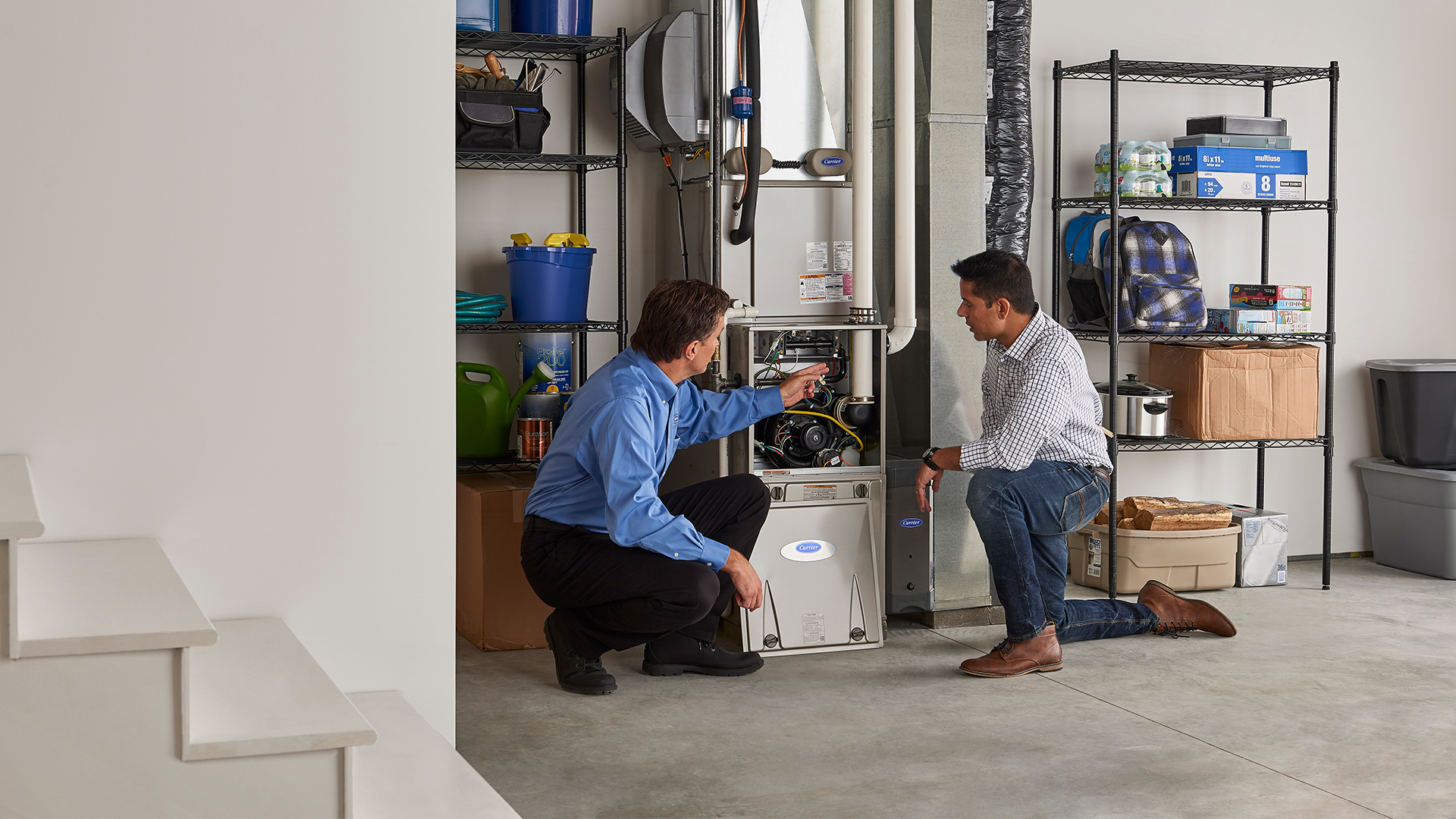
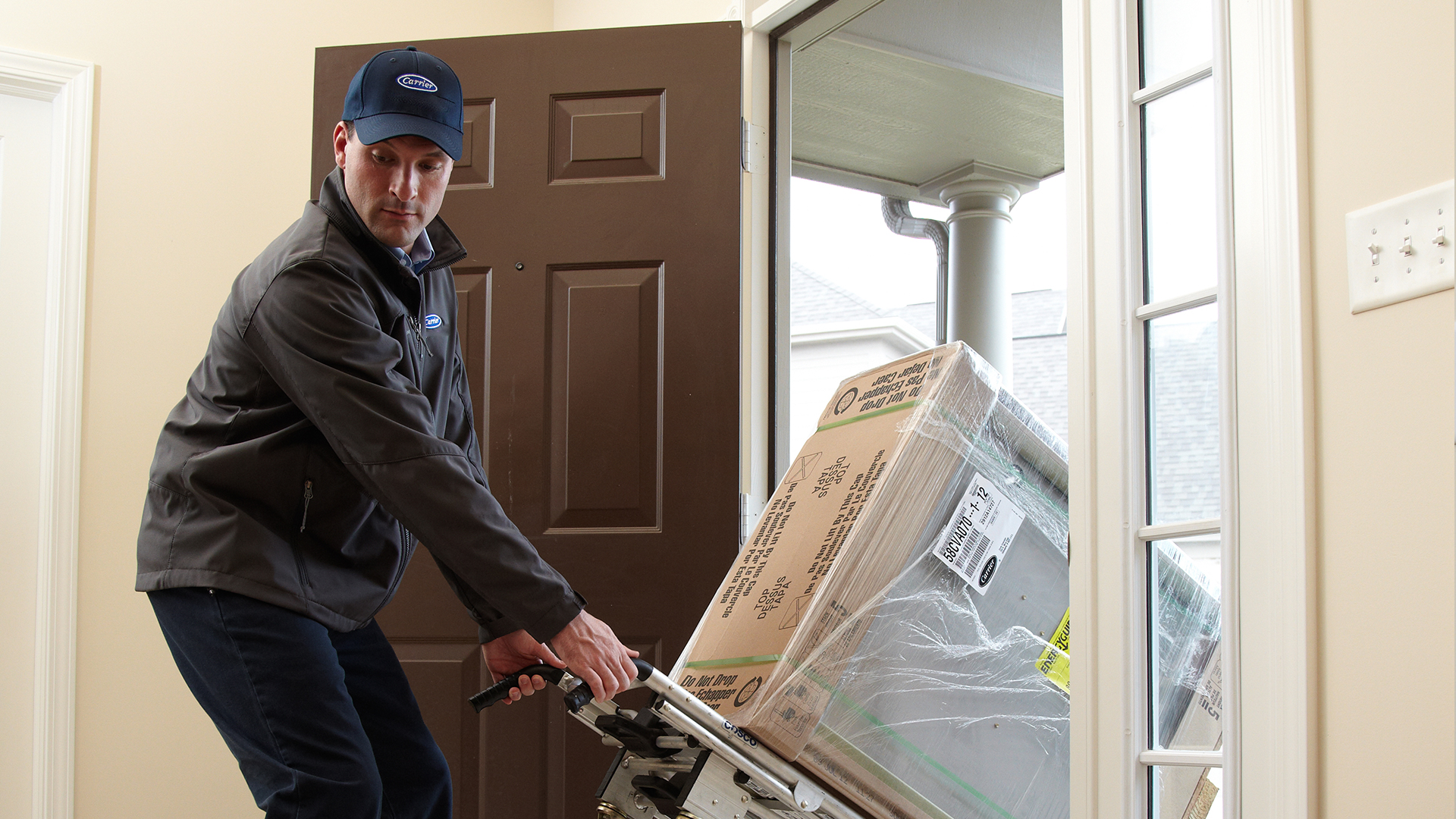
Replacing your home’s heating system is a precise process that sets the stage for years of reliable comfort. A professional furnace installation begins with the safe removal of your old unit and a thorough inspection of the area to ensure your ductwork and gas lines are ready for the upgrade. Your technician then positions and connects the new system, calibrating it for peak performance and safety. Trusting this job to a qualified expert is the best way to guarantee your new furnace operates efficiently and keeps your home comfortable from day one.
NOTES:
1. Control sold separately; other options available