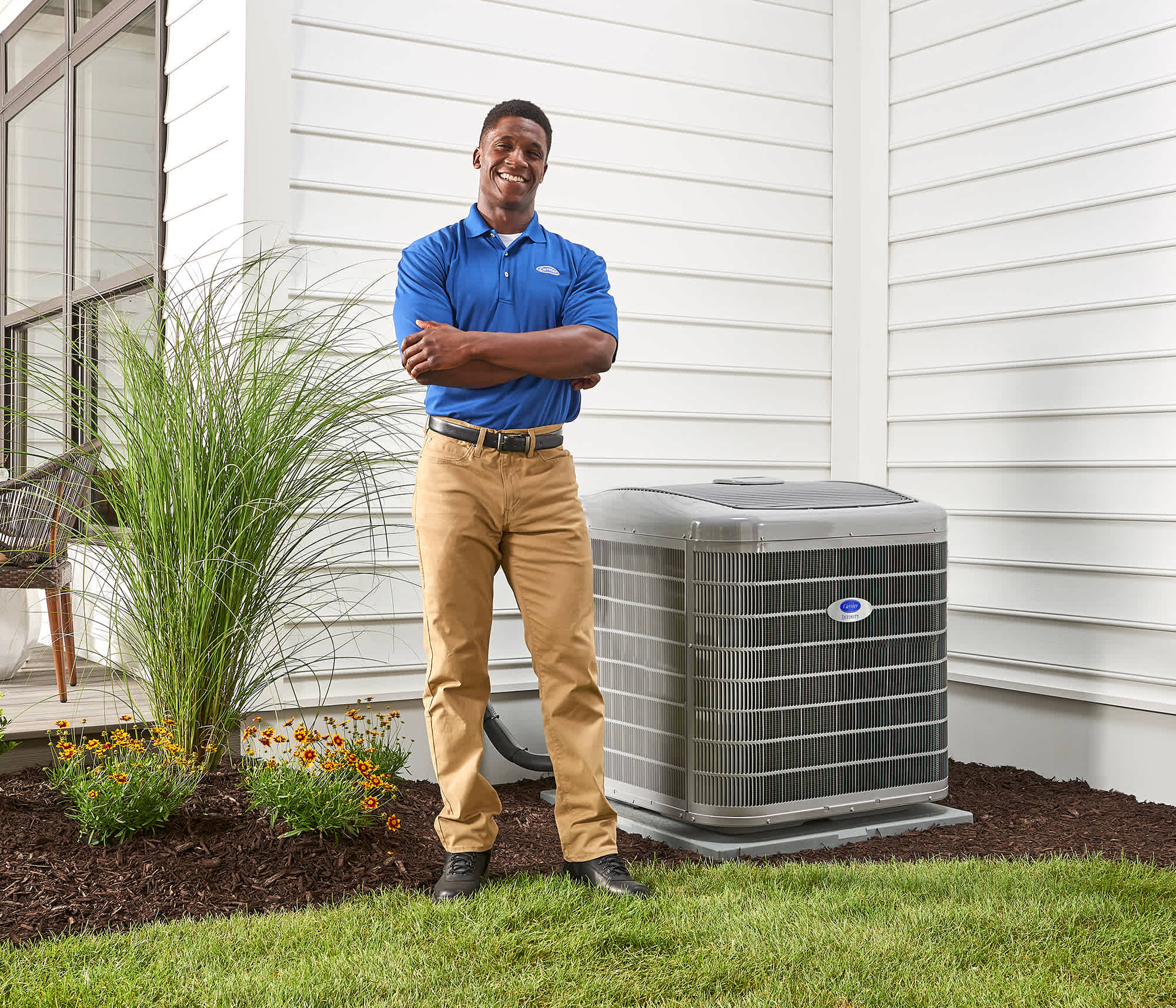
Furnace Repair Service
Your furnace is one of those “out of sight, out of mind” items that sits tucked away in a furnace closet, basement or attic, and magically supplies comfort during the heating season. Every winter it delivers that warm, soothing wave of heat from the registers on cold, blustery days. Until one day, maybe it doesn’t... and suddenly you and your family are uncomfortable and inconvenienced.
While furnaces are developed and tested to run reliably for years, routine furnace service is the keys to keeping your heating system running efficiently and improving its life expectancy. Ignoring routine furnace service can cause higher utility bills and reduced comfort, and make the furnace components work harder, leading to reduced life expectancy and in some cases, a total shutdown. Whether your home needs routine service or quick heating repair to get your furnace back up and running, Carrier has a solution.
How Much Does Furnace Repair Cost?
According to Forbes, a typical furnace repair might cost between $150 - $300, with minor furnace repairs being as low as $50 and severe issues topping over $1,200.1 Additionally, the cost may also fluctuate based on the make and model of your furnace, as well as its age and the availability of furnace replacement parts. Depending on the part, repair costs can fluctuate significantly.
To get an accurate estimate for your specific furnace repair service needs, it's best to reach out to your local HVAC dealer or technician, who can assess the situation and provide you with a tailored quote. Don't hesitate to contact them for a more precise understanding of what it will take to get your furnace back in working order.
What are the Signs a Furnace Needs Repair?
The first step to a cozy and efficient home is recognizing when your furnace needs repair. Keep an eye out for signs like strange noises, uneven heating, frequent cycling, or a sudden spike in energy bills. If you suspect any of these issues, it's time to call in the experts for furnace repairs.
Inconsistent or insufficient heating
Short cycling
Weak or uneven airflow
Increased energy bills
Excessive dust or dry air
Unusual sounds and smells
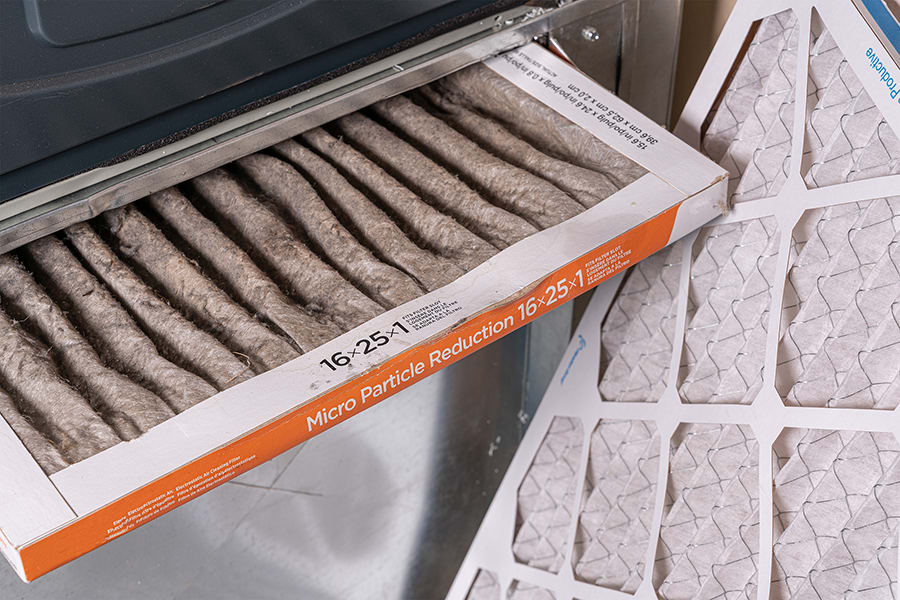
Common Problems That Need Professional Furnace Repair
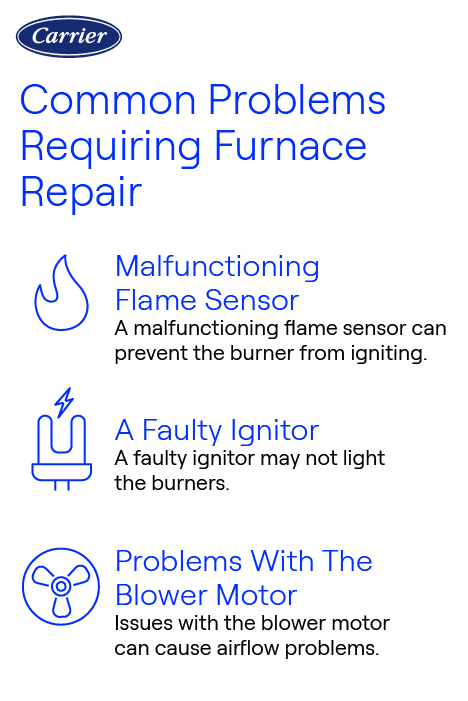 Common furnace problems that necessitate a professional furnace repairman include a malfunctioning flame sensor, a faulty ignitor, or problems with the blower motor. These issues can impact your system's performance, leading to inadequate heating, reduced energy efficiency, and even safety hazards. Don't take chances with your family's comfort and safety – contact your local Carrier dealer for expert assistance.
Failed ignition system
A failed ignition system occurs when the furnace burners won’t light, shut off immediately, or produce repeated clicking or error codes. Common causes include a cracked or worn hot-surface igniter, dirty flame sensor, faulty spark or pilot assembly, bad pressure switch, or problems with the gas valve or control board. Homeowners can confirm the thermostat is set to “heat,” reset the furnace at the breaker, replace the filter, and note any flashing error codes. Safety note: if you smell gas, shut off the system, leave the area immediately, and call your gas utility and an HVAC professional.
Problematic pilot light
Dirty or faulty flame sensor
Cracked heat exchanger
What to Check Before Calling for Furnace Repairs
Before assuming your furnace needs repairs, a few quick at-home checks can often save time and help your HVAC professional diagnose the issue faster. These simple steps can confirm whether your furnace works properly or if a service visit is necessary. Always use caution—if anything seems unsafe or you’re unsure how to proceed, stop and contact a qualified technician for help.
Check the Thermostat
Start by checking the thermostat to make sure it’s set to Heat and the temperature is 3–5°F above the current room temperature. Replace or recharge batteries, confirm the Hold or Schedule settings, and verify whether the Fan is set to “Auto” or “On.” For smart thermostats, check Wi-Fi or app connectivity and make sure the screen isn’t locked. If the thermostat is located in direct sunlight or near a draft, it may give inaccurate readings—call a professional if the furnace still doesn’t respond after adjustments.Check the Air Filter
Ensure the Power is On
Check the Pilot Light
If your furnace has an older design, check the pilot light. First, confirm that your unit actually uses a standing pilot (many modern systems use electronic ignition). If it does, set the thermostat setting to “Off,” then follow the manufacturer’s relight instructions—usually found on the access panel—to relight the pilot and look for a steady blue flame. Safety note: If you smell gas, hear hissing, or the flame won’t stay lit, stop immediately, ventilate the area, and call your gas utility and a licensed HVAC professional. Do not attempt repeated relight attempts.Check for Error Codes
Six Reasons To Choose A Local Carrier Dealer For Furnace Repair
- Expertise and Training: Carrier dealers are factory-trained professionals who stay up to date on the latest equipment, technologies, and safety standards. Their hands-on experience ensures precise diagnostics and high-quality repairs that restore performance and efficiency.
- Genuine Parts: Authorized dealers use genuine Carrier parts, designed specifically for your system. This helps maintain your equipment’s performance, reliability, and warranty coverage.
- Efficiency and Reliability: A Carrier dealer’s repairs are backed by proven procedures and OEM-grade components, helping your furnace run more efficiently and dependably through the coldest months.
- Comprehensive Warranty Support: From diagnosing covered issues to handling paperwork, local dealers can streamline your warranty support process. They understand Carrier’s protection plans and can ensure repairs meet warranty requirements.
- Personalized Service: Working with a local expert means you’ll receive service tailored to your home, comfort needs, and schedule. Many dealers offer maintenance reminders, flexible appointments, and consistent follow-up for lasting peace of mind.
- Long-Term Support: Carrier dealers don’t just fix your furnace—they’re your long-term comfort partners. They provide ongoing maintenance, efficiency advice, and replacement recommendations when it’s time for an upgrade.
Find Fast & Reliable Furnace Repair Service Near You
Carrier furnace repair service experts can help with your heating repair and service needs.
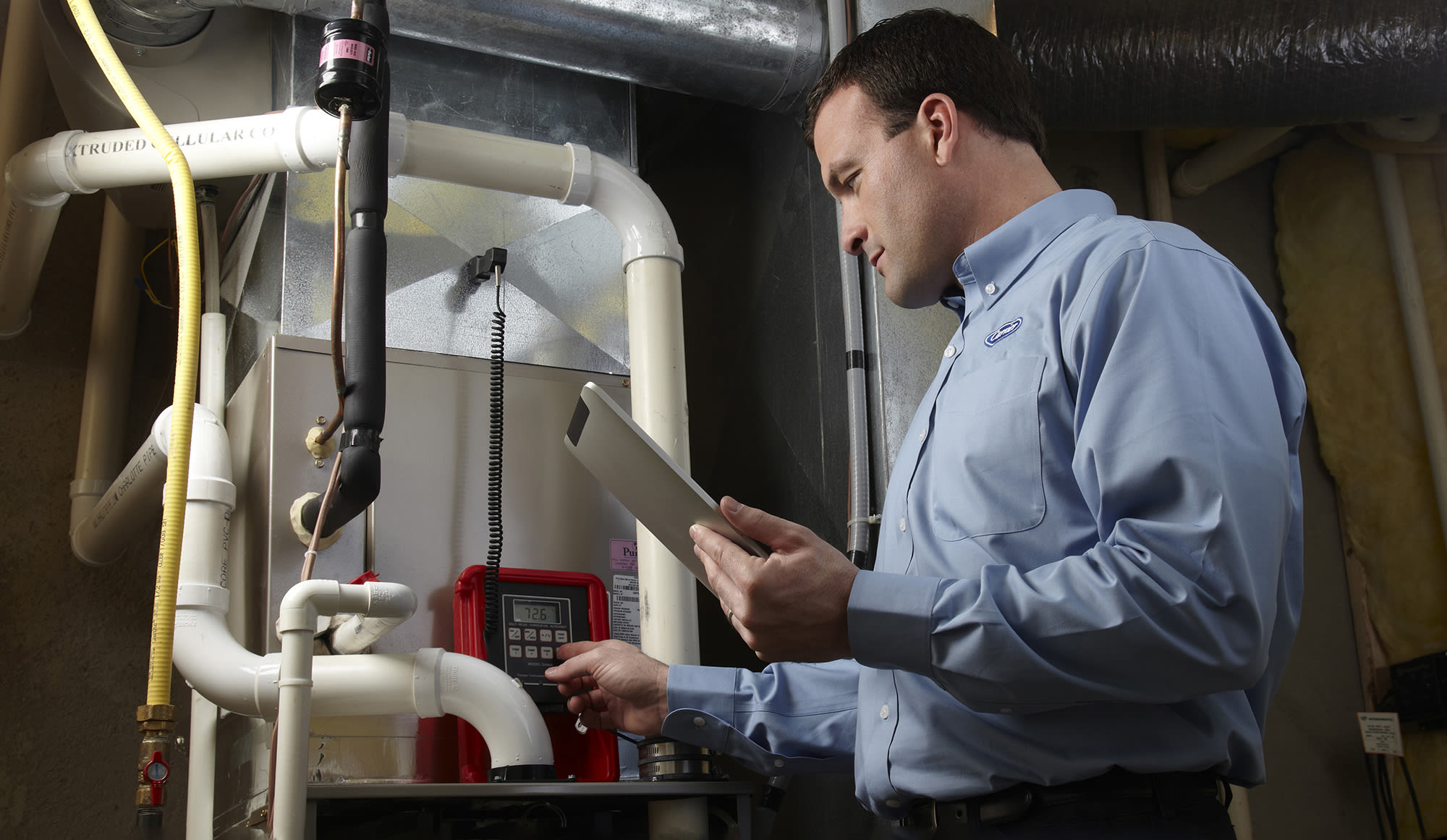
While most average homeowners can handle simple DIY furnace maintenance such as cleaning or replacing your furnace filter, calling a local, qualified HVAC system professional for regular furnace repair service and equipment checks can help ensure reliability and optimum efficiency, as well as prevent larger issues from developing. Either way, if you want to keep your furnace heating air for years to come, don’t forget to keep it serviced and maintained regularly - and reach out as soon as possible if your furnace needs to be repaired to keep your heating system running smoothly. Call your local Carrier furnace repair service expert today for advice and quick service on your furnace.
FURNACE REPAIR OR REPLACE?
A regular furnace tune-up can maximize efficiency and provide longer-lasting home heating. However, there are times when a simple maintenance call can identify an issue that will require a significant investment to remedy. Then, it’s decision time. Do you make the expensive heating tune-up and enjoy continued comfort from your current heating system? Or do you make an even bigger financial commitment and consider buying a furnace ? The decision to repair or replace is up to you, and often it’s a matter of comparing the cost of the furnace repair service, taking into account the age of the equipment, versus the cost of a new furnace that likely offers higher energy efficiency and comes with warranty coverage. Our guide on repairing vs. replacing furnaces gives a full breakdown of all the factors you should consider when choosing the future of your home’s heating systems.
1 https://www.forbes.com/home-improvement/hvac/cost-to-repair-furnace/
2 To the original owner, when product is used in an owner-occupied residence, a 10-year parts limited warranty and lifetime heat exchanger parts limited warranty upon timely registration of your new equipment. Parts limited warranty period is 5 years and heat exchanger warranty is reduced to 20-years if not registered within 90 days. Jurisdictions where warranty benefits cannot be conditioned on registration will receive the extended registered parts limited warranty and heat exchanger parts limited warranty period. See warranty certificate for details.