About The Author: Travis Baugh is a Digital Brand Marketing Manager for Carrier, where he develops informative, straightforward content to help homeowners better understand heating, cooling, and indoor air quality. His writing is focused on empowering homeowners to make confident, well-informed choices about their home comfort systems.
Air Conditioners, HVAC Education
Energy-Efficient Air Conditioners
Energy efficiency is a crucial factor to consider when selecting an air conditioning system, as it directly impacts your cooling bills and the environment. An energy-efficient air conditioning system uses less electricity to cool your home, which helps reduce overall energy consumption and lowers your carbon footprint. By investing in energy-efficient air conditioning from Carrier, you can enjoy optimal comfort while saving money in the long run.
Find a Dealer
How To Choose an Energy-Efficient Air Conditioner
When shopping for the most energy-efficient air conditioning unit, it's important to consider factors such as the size of your home, the climate in your area, and your maintenance preferences. An energy-efficient air conditioning system should meet both your cooling needs and your long-term energy savings goals. Understanding the following factors will help ensure you select the right unit for your home’s needs.
- Home Size: The size of your home is one of the most important factors in selecting an energy-efficient air conditioning unit. Larger homes will require a higher tonnage unit, while smaller homes can benefit from a smaller tonnage unit that still offers efficient performance.
- Climate: The climate in your area plays a significant role in how much you’ll rely on your AC. If you live in a region with hot, humid summers, choosing a system with a higher SEER2 or EER2 rating will ensure it can handle the demand while maintaining efficiency.
- Maintenance: Regular maintenance is essential to keeping your system running efficiently. Some models require more frequent servicing, so it’s important to choose a system that fits your ability to schedule maintenance.
- Budget: While energy-efficient air conditioning units can be more expensive upfront, they can offer savings over time through reduced heating and cooling bills. Consider your initial investment in relation to the long-term savings to ensure the unit fits within your budget.
- Types of Energy-Efficient AC Units: When comparing ducted and ductless heat pumps, both offer high-efficiency options, but ductless mini splits are generally the most efficient because they avoid duct losses and provide room-by-room control. Ducted systems are ideal when you want whole-home comfort from a single heating and cooling system, while ductless units work best for targeted spaces, remodels, or homes without existing ductwork.

Rebates & Incentives for Energy-Efficient HVAC Systems
Many federal, local, and Carrier-sponsored programs offer rebates and tax credits to help homeowners save on the purchase of energy-efficient air conditioning systems. These incentives can significantly reduce the upfront cost of purchasing and installing an energy-efficient air conditioning unit, making it more affordable to upgrade your home’s cooling system.3 Ways to Improve the Efficiency of Your A/C
Improving the efficiency of your air conditioning unit can significantly lower your cooling costs and extend the lifespan of your system. By performing regular maintenance, optimizing your home environment, and utilizing modern technology, you can help ensure that your AC runs at its best, providing comfort without excessive energy consumption.
1. Perform Regular Maintenance
Proper maintenance is essential for maintaining the energy efficiency of your central air conditioning system. Regular servicing will keep the system running smoothly and help prevent potential issues that could increase energy consumption.
- Replace Air Filters: Clogged filters restrict airflow, forcing your AC to work harder, increasing energy costs. Check and replace filters regularly, aiming for every 1-3 months.
- Clean Condenser Unit: A clean outdoor condenser unit allows the AC to cool more efficiently, preventing it from becoming overworked.
- Vacuum Vents: Ensure vents are free of dust and debris to allow for optimal airflow throughout the system.
- Check and Seal Ducts: Leaky ducts can cause significant energy loss. Inspect and seal any leaks to prevent wasted energy.
For more details, visit our air conditioner maintenance page.
2. Optimize Your Home Environment
Optimizing your home’s environment can significantly reduce the strain on your AC, helping it maintain efficiency without needing to work harder. By making a few adjustments, you can create a more energy-efficient living space.
- Ensure Proper Ventilation: To keep your home comfortable, make sure vents are open and not blocked.
- Close Curtains and Blinds: During the hottest parts of the day, close curtains and blinds to block sunlight and reduce heat buildup.
- Use Ceiling Fans: Ceiling fans can help circulate air, making you feel cooler and reducing the need for AC to work as hard.
- Close Off Unused Rooms: To maintain high efficiency, close the door and vents of unused rooms to prevent them from being cooled unnecessarily.
- Use Natural Ventilation: Open windows in the evening or early morning to take advantage of cooler temperatures.
- Limit Heat-Producing Appliances: Avoid using heat-generating appliances like ovens and dryers during peak hours to reduce the load on your AC.
- Plant Trees: Planting trees around your home can provide shade, reduce the heat load on your AC, and help to lower your cooling bills.
3. Invest in a Smart Thermostat
Installing a smart thermostat is an affordable way to improve the efficiency of your air conditioning system, even in older units. Smart thermostats can automatically adjust your home’s temperature based on your schedule, reducing unnecessary cooling and optimizing energy use. For more information, check out our smart thermostat page.

Get an Energy Efficient Air Conditioner from Carrier Today
Energy-efficient air conditioners are crucial for reducing both your energy costs and environmental impact. By investing in a high-efficiency unit, you can enjoy consistent comfort while lowering your utility bills and minimizing your carbon footprint. To learn more about energy-saving practices and innovations, check out our 5 Ways to Conserve Energy at Home and Energy Efficiency Innovation at Carrier.

Explore Carrier Air Conditioners
Carrier air conditioners are known for their reliability, energy efficiency, and advanced technology. With a range of models to suit different needs, Carrier offers solutions with optimal comfort and air quality. Whether you're looking for a budget-friendly option or a high-end, energy-efficient unit, Carrier’s air conditioners provide consistent performance, quiet operation, and innovative features.
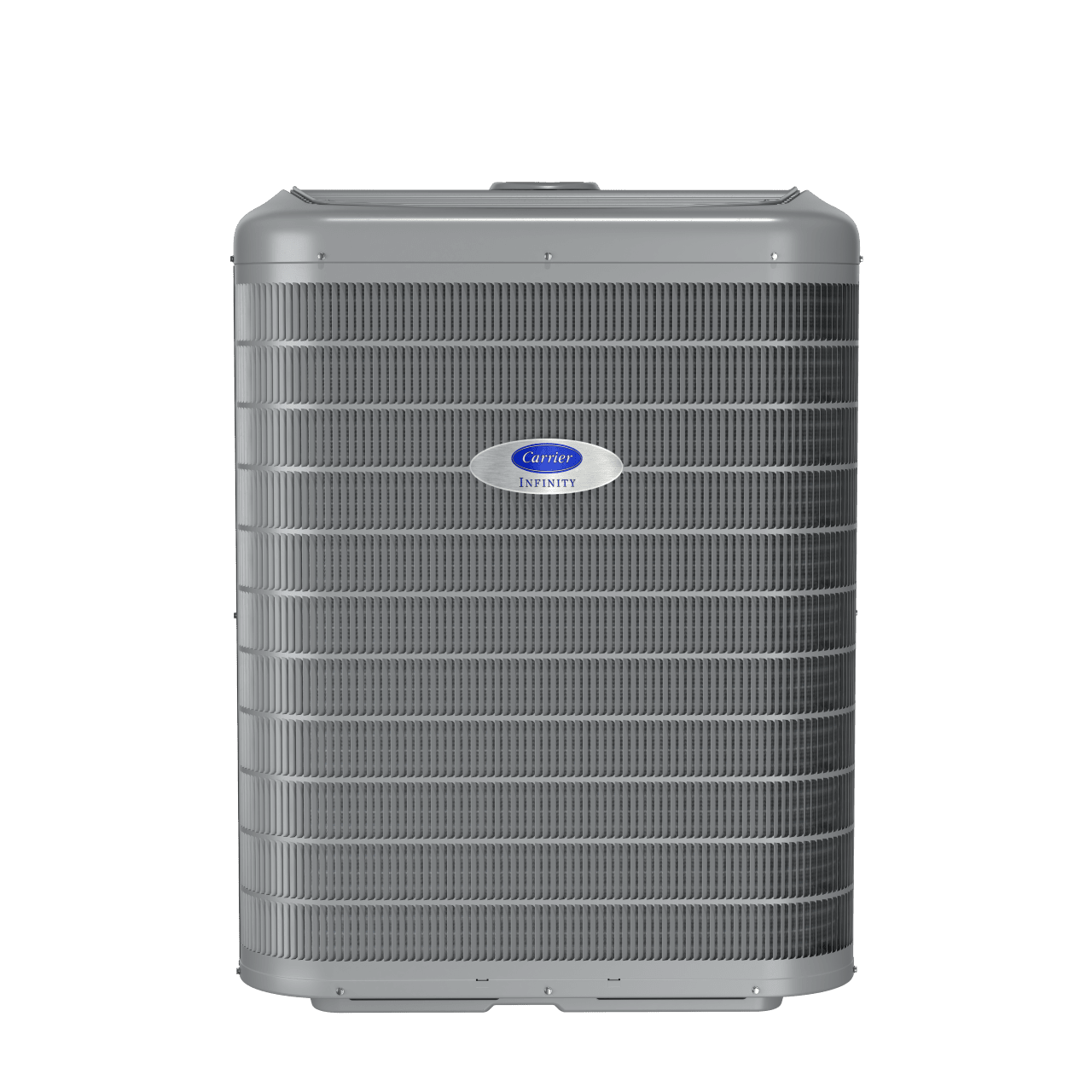
Up to 21 SEER2 for premium energy savings with premium comfort features

Up to 18 SEER2 for enhanced energy savings with enhanced comfort features. Features InteliSense™ technology.

Up to 16.5 SEER2 for enhanced energy savings with standard comfort features.
Frequently Asked Questions About Energy-Efficient Air Conditioners
For optimal energy savings, Energy Saving Mode is the most efficient setting, as it adjusts the compressor and fan speed to reduce power consumption while maintaining comfort. In comparison, Cool Mode constantly runs the compressor, which can use more energy, while Fan Mode circulates air without cooling, offering minimal energy savings but not as effective in hot weather.
The most energy-efficient type of air conditioning unit is a ductless mini split system, especially when properly sized for your space. These systems provide targeted cooling, eliminating energy loss through ducts, and offer high SEER2 ratings for superior efficiency. Additionally, central air conditioners with high SEER2 ratings can also be very energy-efficient when appropriately sized and well-maintained.
The AC units that consume the least electricity are inverter-driven models with very high SEER2 and HSPF2 ratings. These systems can modulate their output to match your home’s needs, which reduces energy waste and lowers operating costs. Actual electricity use will vary based on the unit’s size, your home’s insulation, and how you set your thermostat, so proper sizing and maintenance are key.
Energy efficiency in air conditioners refers to how effectively a unit uses energy to provide cooling without excessive energy consumption. When comparing central AC units, it’s important to look for specific efficiency ratings that indicate how well a unit performs while minimizing energy use. Key metrics, like Energy Star ratings, SEER2, and EER2, can help you determine which models offer the best value in terms of energy savings and performance. Understanding these ratings can guide homeowners in selecting the most efficient AC systems for their needs.
- Energy Efficiency Ratio (EER2) measures the efficiency of an air conditioner by comparing its cooling capacity (BTUs) to its energy consumption (watts) under specific temperature conditions. The higher the EER2, the more efficient the unit. For more details on how this is calculated and why it matters, visit our EER2 guide.
- Seasonal Energy Efficiency Ratio (SEER2) measures how efficiently an air conditioner operates over the course of a typical cooling season, factoring in variations in temperature and operational conditions. Higher SEER2 ratings mean better overall energy efficiency. Learn more about the SEER2 rating and its importance by visiting our SEER2 guide.