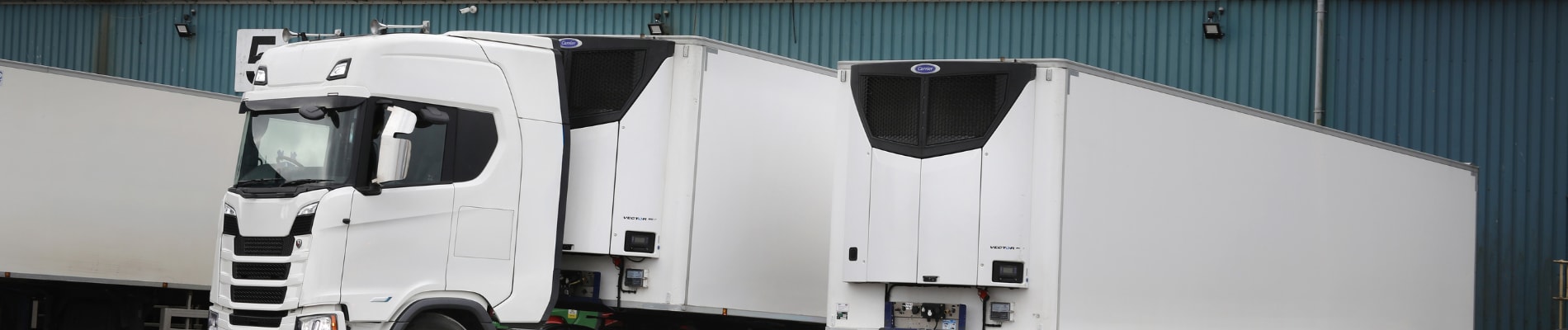
Fuel Efficiency Solutions for Transport Refrigeration Unit
Driving Lower-Emission Transport Refrigeration Performance
As global supply chains grow more complex, transport refrigeration faces increasing pressure to deliver reliable temperature control while reducing fuel consumption, CO2 and particulate emissions, noise emissions, and operating costs. Rising fuel prices, stricter environmental regulations, and customer expectations are pushing the transport industry to rethink how refrigeration units are designed, powered, and operated. Fuel efficiency is no longer just a cost issue. It is a strategic lever for sustainability and long-term competitiveness across the cold chain.

The Transportation Sector Under Growing Pressure
The Market Context
The transport refrigeration sector is under growing pressure, from fuel costs to increasingly stringent emissions regulations. Improving transport refrigeration fuel efficiency is efficiency is not only a cost issue, but a strategic lever for sustainability and long-term competitiveness across the cold chain.
Fuel-Efficient Diesel Solutions
Optimized Refrigeration Units for Greater FUEL Efficiency
Carrier Transicold enhances operational efficiency with a range of fuel-efficient diesel products designed to reduce fuel consumption and operating costs while maintaining high performance. These optimized solutions deliver immediate efficiency gains without requiring major changes to existing operations or investment plans.
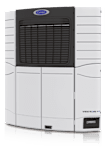
Improved Fuel Efficiency, City to Long Haul
Vector S 15
The Vector S 15 combines reliability, performance, efficiency, and affordability. At approximately 722 kg, it is one of the lightest trailer units in its segment, increasing payload capacity and enhancing fuel efficiency outcomes.
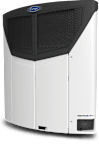
Best-in-Class Total Cost of Ownership
Vector HE 17
Combining inverter technology with the all-electric E-Drive architecture, the Vector HE 17 reduces fuel consumption by up to 30% compared to the Vector 1550, advancing transport refrigeration fuel efficiency across long-haul and distribution operations.
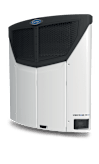
Fuel Optimization Feature
Vector HE 19
The Vector HE 19 Fuel Optimization Feature identifies opportunities for smarter fuel use and automatically fine‑tunes engine behavior while maintaining precise temperature homogeneity.
Fuel Efficiency Driven by Multispeed Engine Technology
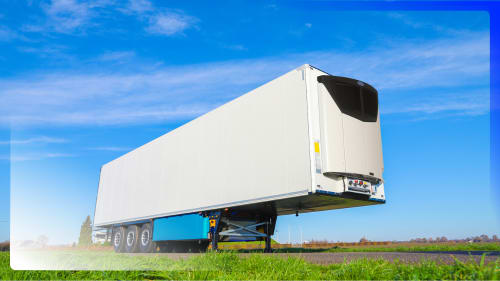
Carrier Transicold pioneered multispeed diesel engine technology in trailer refrigeration to reduce fuel consumption without compromising cooling performance. Introduced on mechanical trailer refrigeration platforms in the early 2000s, multispeed engines became a core feature of Carrier’s earlier Vector diesel‑driven units, enabling a significant step forward in energy efficiency for long‑haul and distribution operations.
Unlike conventional single‑speed engines, multispeed engines adjust RPM to match real-time refrigeration demand, reducing unnecessary fuel burn, emissions, and noise.
Multispeed engine technology laid the foundation for Carrier Transicold’s continued efficiency innovation, directly influencing the development of advanced hybrid and electric architectures such as Vector E‑Drive, introduced later to further decouple engine speed from cooling performance.
Electrifying the Cold Chain
Go Further with Electrification
Optimizing fuel use is the starting point. To go further, fleets can transition toward hybrid or fully electric solutions, reducing or eliminating fuel dependency altogether.
Electrification is not a binary switch; it’s a scalable transition. It means supporting fleets at every stage, from improving the efficiency of existing diesel assets, to integrating hybrid solutions, to equipping next-generation electric vehicles.
Carrier Transicold’s eCool series enables this transition. Our eCool series of electric truck and trailer reefer units meets the demands of a transforming market. Today, we are proud to offer an electric solution across 100% of our vehicle ranges, supporting quiet, PIEK compliant refrigeration units for urban routes and improving fuel efficiency results in mixed fleets.
Maintain and Monitoring for Connected Fleets
BluEdge Service + Lynx Fleet
Maintenance and monitoring help support refrigeration system operation. Scheduled maintenance and data visibility provide insights into unit operation across your cold chain.

Maintenance Support
Regular maintenance keeps refrigeration units as intended. From Essential coverage to the fully comprehensive Elite tier, every plan is designed to support equipment operation and service planning.

Real-Time Visibility
Connected telematics provide visibility over fleet performance and operating patterns in real time. By tracking key operational data, Lynx Fleet telematics for reefers tracks run hours, temperature conditions and fuel use.
Fuel efficiency creates lasting value
Delivering Value Beyond Fuel Savings
Fuel efficiency is not just about consuming less. It is about empowering fleets to operate with lower fuel consumption and emissions.

Lower Operating Costs
Reduced fuel consumption and fewer maintenance interventions directly lower total cost of ownership across the fleet.

Lower Emissions Performance
Lower CO2, NOx and particulate emissions support Scope 3 commitments and fleet sustainability targets.

Improved Regulatory Compliance
PIEK certification, Stage V compliance, and Low Emission Zone readiness built into the portfolio.

Enhanced Asset Utilization
Lighter units, fewer spare parts, and reduced maintenance time maximize uptime and payload capacity.

Cold Chain Integrity
Consistent temperature control and real-time fleet visibility ensure product quality throughout every journey.
Talk to Our Trailer Refrigeration Specialists
Explore Solutions for Your Fleet
Carrier Transicold has been an industry leader for more than 50 years, providing customers worldwide with lower-emission refrigeration systems. Let us help you find the right mix of technologies and services for your routes, vehicles, and sustainability goals.
A diesel transport refrigeration unit (TRU) on a semi-trailer consumes an average of 1.8 litres of diesel per hour - 1.9 L/h in summer and 1.7 L/h in winter.
These figures are based on controlled chamber testing in both chilled (2°C) and frozen (-20°C) modes, with simulated door openings to replicate real-world delivery conditions.
Key factors affecting TRU fuel consumption include:
- Temperature setpoint (frozen loads consume more than chilled)
- Ambient temperature (summer vs. winter)
- Door opening frequency during deliveries
- Unit age and maintenance condition
Source: Zemo Partnership
A typical European 40-tonne tractor-trailer consumes 33.1 L/100 km under long-haul conditions, according to ICCT research.
Best-in-class vehicles can reach as low as 29.9 L/100 km, while older or less efficient trucks may exceed 40 L/100 km depending on load, route, and driving conditions.
Key factors affecting truck fuel consumption per 100 km include:
- Payload weight (a fully loaded truck consumes significantly more than an empty one)
- Drive cycle (long-haul motorway vs. urban delivery)
- Vehicle aerodynamics and tyre technology
- Driving style and speed
- Refrigeration equipment (refrigerated trailers carry an additional diesel TRU engine, adding to overall fuel use)
Source: ICCT
Optimize setpoints and defrost cycles, minimize door openings and use curtains, maintain condenser/evaporator cleanliness and correct refrigerant charge, train drivers on idle reduction, schedule proactive services via BluEdge, and continuously monitor transport refrigeration fuel efficiency KPIs with Lynx Fleet telematics for reefers.
Adopt electric reefer units where routes allow, specify PIEK compliant refrigeration units for quieter, efficient urban operations, leverage Lynx Fleet telematics for reefers for data driven settings, and select platforms engineered for trailer fuel efficiency.