About The Author: Travis Baugh is a Digital Brand Marketing Manager for Carrier, where he develops informative, straightforward content to help homeowners better understand heating, cooling, and indoor air quality. His writing is focused on empowering homeowners to make confident, well-informed choices about their home comfort systems.
Air Conditioners, HVAC Education
Air Conditioner Repair Guide
By Travis Baugh
Whether it’s an unexpected breakdown or a system struggling to keep up, dealing with AC issues can feel overwhelming, leaving you searching for a reliable solution to restore your home’s cool comfort. And while DIY fixes can solve simple problems like replacing a dirty air filter, more complex issues that impact electrical, ductwork, refrigerant, or compressors require a professional air conditioning service. Certified HVAC dealers will do the diagnosis, repair, and performance testing for you.
Learn more from our guide to AC repairs below. Or, if you need an immediate AC repair, find a local Carrier dealer near you to help.
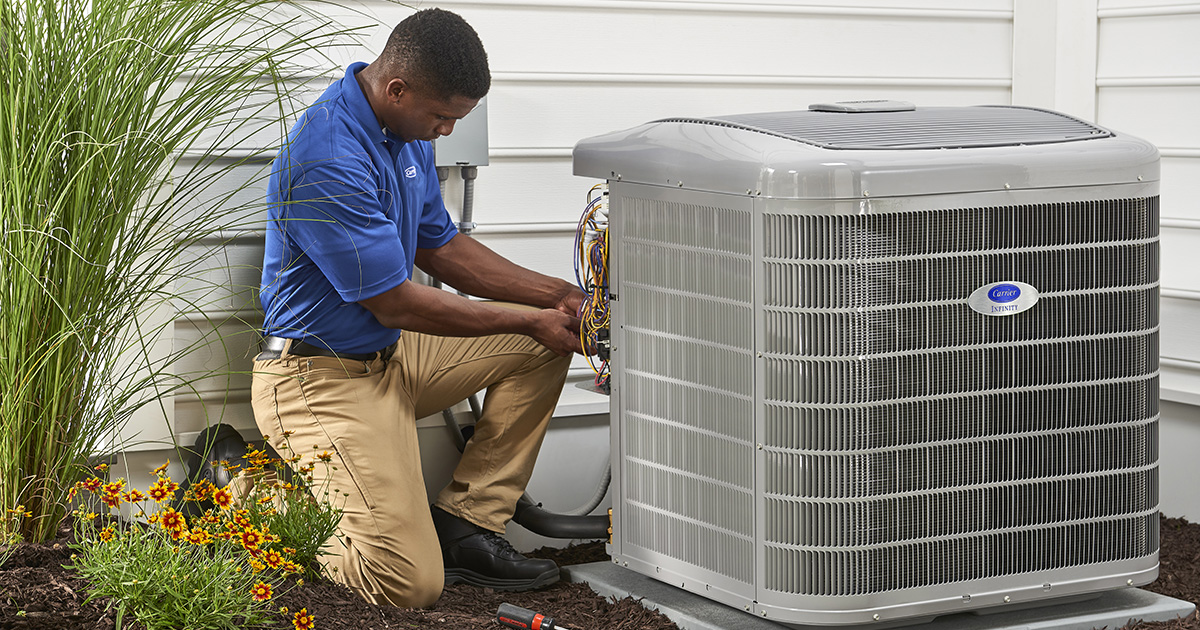
5 Things to Do Yourself to Troubleshoot & Repair Your AC
Before calling a technician, there are several quick checks and simple fixes homeowners can safely perform to address common AC issues. These steps often restore normal operation, improve efficiency, and can prevent unnecessary service calls.
- Change the Air Filter – Remove and replace your air filter regularly to ensure proper airflow. A clean filter helps your AC operate efficiently, reduces strain on the system, and can resolve weak cooling or unusual airflow problems.
- Inspect the Outdoor Unit – Check the condenser unit for debris, leaves, or obstructions. Clearing the area around the unit ensures proper airflow, prevents overheating, and helps the system cool effectively.
- Check the Thermostat Settings – Verify the thermostat is set to the correct mode and temperature, and replace batteries if needed. Correct settings ensure the AC responds properly and can resolve issues with inconsistent or insufficient cooling.
- Reset the Circuit Breaker – If your AC has stopped working, check the breaker panel and reset any tripped breakers. This can restore power to the system and address minor electrical interruptions without professional help.
- Clear the Condensate Drain – Inspect and remove any clogs in the drain line to prevent water backups or system shutdowns. A clear drain maintains proper moisture removal and prevents damage to the AC or surrounding areas. Learn more about how to clean an AC drain line.
These simple steps often solve minor AC issues quickly, but if problems persist, it’s important to schedule service with a qualified HVAC technician.
When to Call a Professional for Your AC Repair
There comes a point when DIY troubleshooting stops and a licensed HVAC professional should take over. Handling issues involving electricity, refrigerant, or complex mechanical components can be dangerous and may cause further damage or void your system’s warranty if attempted without proper training. Watch for warning signs that indicate it’s time to call in a professional—these “red flags” help prevent costly repairs and keep your AC running safely and efficiently.
- Refrigerant Leaks – Signs of a refrigerant leak can include reduced cooling, ice buildup on coils, or hissing sounds near the lines. Because handling refrigerant requires EPA certification and specialized tools, only a professional should diagnose and repair leaks to ensure safety and system efficiency.
- Fan or Compressor Issues – Unusual noises such as rattling, grinding, or humming, along with inconsistent cooling, may indicate problems with the fan or compressor. These components are critical to system operation, and improper handling can cause permanent damage, so repairs should be performed by a trained technician.
- Electrical Problems – Tripped breakers, burning smells, or flickering power at the unit can signal wiring issues or component failures. Electrical systems in AC units carry serious risk of shock or fire, making professional diagnosis and repair essential for safety.
- Ductwork Problems – Poor airflow, uneven cooling, or unusual drafts may indicate leaks, blockages, or disconnected ducts. Professionals can accurately locate and repair duct issues to restore system efficiency without risking damage to the HVAC system or home.
- Persistent Problems – If your AC continues to malfunction despite basic troubleshooting, frequent repairs, or intermittent operation, it may indicate underlying mechanical or system-wide issues. A professional can identify the root cause and recommend AC repairs or AC replacement to prevent further breakdowns and costly repairs.
How Much Does AC Repair Cost in 2025?
The cost of repairs to an air conditioner can range from $150 to $1,500 or more, depending on the nature of the problem and the type of system. The wide range reflects differences in repair complexity, parts required, labor, and additional considerations. Factors that influence the cost include:
- Diagnostic Fees – Technicians may charge a fee to evaluate the system and identify the issue.
- Issue or Part Needed – Simple repairs, like replacing a capacitor or fan motor, are less expensive than major component replacements such as a compressor.
- Unit Type and Age – Older or specialty units may require harder-to-find parts, increasing costs.
- Labor and Warranty Considerations – Labor rates vary by region and installer; warranty coverage can offset some expenses.
- Service Timing – Same-day or emergency HVAC repair often carries a premium compared to scheduled appointments.
Understanding these factors can help homeowners plan for repair costs and make informed decisions about whether to repair or replace a system. Learn more about air conditioner cost.
How to Choose The Right Air Conditioner Repair Company
Selecting a qualified HVAC repair professional is critical to ensuring your system is diagnosed accurately and repaired safely. The right technician performs code-compliant repairs using proper parts, protects your safety, preserves warranties, and helps prevent recurring issues. Poor repairs, on the other hand, can drive up energy bills, void warranties, create safety risks, and lead to larger, costlier breakdowns—especially for complex systems like heat pumps.
To help you find a trustworthy professional for HVAC repair, follow these vetting tips and watch for red flags:
- Ask for Referrals – Talk to friends, family, or neighbors who have recently had HVAC work done. Ask about their experience, including quality of work, timeliness, and whether the technician followed through on service guarantees.
- Check Credentials – A qualified HVAC professional should hold proper licensing, insurance, and any required state or local certifications. Look for factory-trained or brand-certified technicians who are experienced with your system type, including heat pumps.
- Read Reviews – Research verified online reviews and testimonials to see how the contractor performs on real jobs. Consistent patterns in customer feedback provide insight into reliability, professionalism, and workmanship.
- Beware of Low Bids – The lowest quote isn’t always the best deal. Extremely low bids can indicate shortcuts, substandard parts, or insufficient labor time, which can result in higher
Why Choose Carrier for Your AC Repair Needs?
When it comes to AC repair, Carrier stands out as a trusted name in the HVAC industry. Carrier Factory Authorized Dealers provide professional and reliable service, ensuring your air conditioning system operates at peak performance. Carrier Factory Authorized Dealers are trained to diagnose and repair all AC issues, from minor fixes to major system malfunctions, using genuine parts for long-lasting solutions. Their commitment to quality service ensures your unit is restored to optimal efficiency, reducing cooling costs and preventing further breakdowns. Whether it's routine maintenance, emergency repairs, or system diagnostics, Carrier Factory Authorized Dealers' expertise, reliability, and commitment to customer satisfaction make them the ideal choice for your HVAC repair needs.
“Carrier Factory Authorized Dealers are trained to handle every aspect of your heating and cooling system with precision and care,” Kevin Dickson, president of Energy Services Air Conditioning, Heating and Electrical in Naperville, Illinois said. “From routine maintenance to complex repairs, they ensure your system operates safely, efficiently, and reliably, giving homeowners peace of mind and comfort all year long.”
Connect With Your Local Carrier Dealer For an AC Repair
Many Carrier dealers are Factory Authorized Dealers, which means they have undergone rigorous training directly from Carrier. This ensures that they are highly knowledgeable about Carrier products and best practices for installation, repair, and maintenance.
Carrier holds its authorized dealers to high standards in terms of professionalism, customer service, and technical expertise, which can give you peace of mind about the quality of service you’ll receive.
Connect with your local Carrier dealer to get started today and your AC up and running again.
How Does an AC Repair Work?
An AC repair typically involves a professional visit where a technician inspects your system, diagnoses the issue, and completes necessary repairs. Most appointments last 1–2 hours, depending on the problem, and cover components like thermostats, coils, refrigerant, and electrical systems. In some cases, if the system is too old or repair costs are high, the technician may recommend a replacement rather than a repair.
- Inspection and Diagnosis – The technician conducts a thorough inspection of your air conditioning system, checking components such as the compressor, fan, coils, refrigerant levels, and electrical connections. Diagnostics include identifying leaks, worn parts, airflow issues, or other performance problems to determine the root cause of the malfunction.
- Repair and Replacement – After diagnosing the issue, the technician reviews the recommended repair with you, provides an estimate, and completes the fix if approved. If parts need to be ordered, they will be installed promptly, followed by a performance check and explanation of any warranty coverage.
- Performance Testing – Once repairs are complete, the technician tests the system to verify proper operation. This includes checking temperature split, airflow and static pressure, refrigerant charge to manufacturer specifications, and electrical draw and safety controls, ensuring your air conditioning system is running safely and efficiently.

Learn More About Air Conditioning Repair
- Find out How Do Air Conditioners Work
- Learn why is my AC blowing hot air?
- Troubleshoot an Air Conditioner tips
- Understand why does my AC smell?
- Factors and variables - "How Long Do Air Conditioners Last?"
- Why is my AC Fan Not Working?
Frequently Asked Questions About AC Repair
The time needed for AC repair depends on the issue's complexity. Minor repairs, like replacing a thermostat, capacitor, or fuse, typically take 1-2 hours. Fixing refrigerant leaks or cleaning coils can take around 2-4 hours. More complex repairs, such as replacing a compressor or major electrical work, may require 4-6 hours or more. If parts need to be ordered, it could extend the repair time by a few days. A professional can provide a more accurate estimate based on the specific problem.
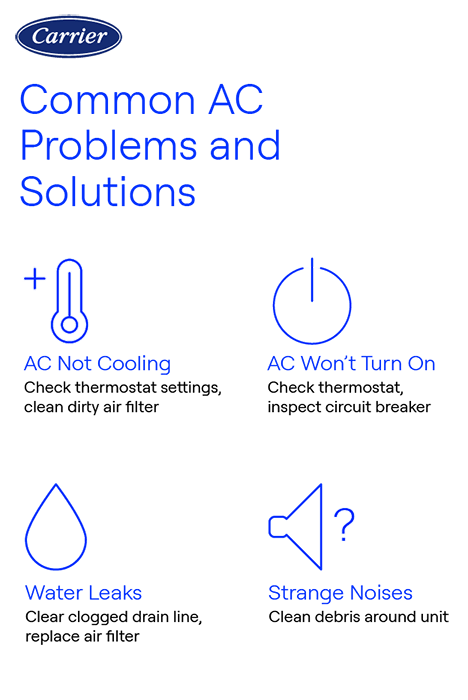
Common AC repair problems include refrigerant leaks, faulty thermostats, clogged or dirty air filters, and malfunctioning capacitors or contactors. Issues like frozen evaporator coils, blocked condenser coils, and clogged drain lines can also affect performance. Electrical problems, such as blown fuses or tripped breakers, are common as well.
Deciding whether to repair or replace your air conditioning depends on many factors, including how old your unit is and the cost of the repair. If you have an older unit and the repair is costly, you may be better off replacing it with a new unit. The $5,000 AC rule is a guideline suggesting that if your system’s age (in years) multiplied by the repair cost exceeds $5,000, replacement may be a better option than repair.
You may have an issue with your indoor fan, or “blower”, as it is commonly referred to. The blower lives inside your furnace or air handler unit and is responsible for blowing cold air out to your living areas, and pulling return air back into the system to be cooled by the evaporator coil. For more information, visit our page on why my air conditioning fan is not working or contact your local Carrier HVAC dealer.
You can diagnose your AC problems by following some common best practices, such as checking your thermostat settings, examining if your air filter is dirty, and identifying if you have any electrical panel issues. For more information, visit our page on how to troubleshoot an air conditioner or call your local Carrier expert.